
Stress affects your daily life, mood and overall health. If you’re curious about testosterone therapy side effects, you know any treatment carries trade-offs. When it comes to managing stress, you can turn to neurotherapy or medication. In this article, you’ll discover how each approach works, compare safety profiles and side effects, and get clear guidance on which method fits your needs best. Let’s explore the science behind these options so you can make an informed choice for lasting relief.
Understand neurotherapy basics
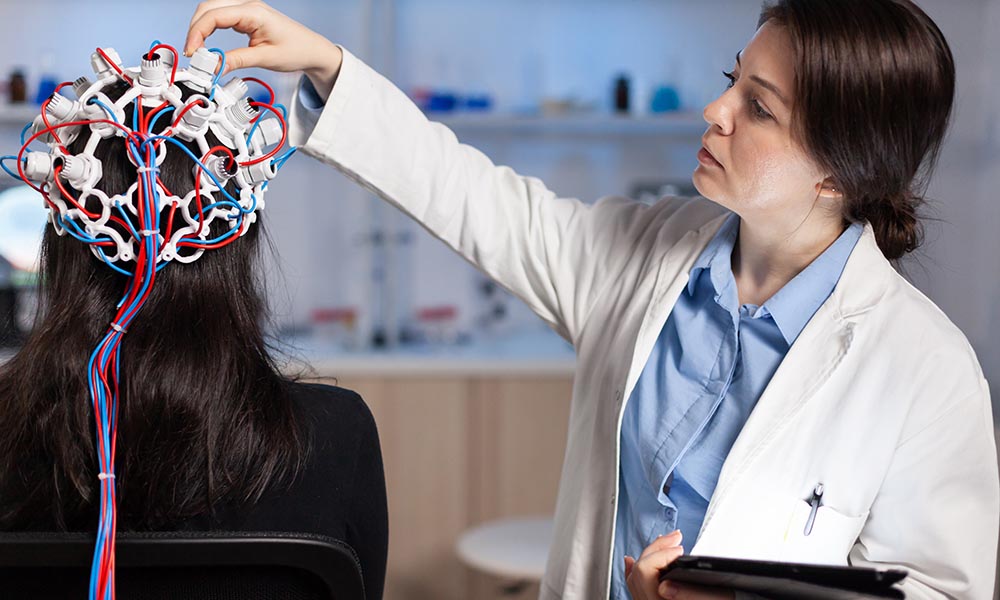
Neurotherapy trains your brain to regulate stress responses by modifying electrical patterns. The most common form, neurofeedback, uses real-time EEG readings so you can see and adjust your brain waves. Another technique, transcranial direct current stimulation (tDCS), passes a mild current through specific scalp targets to alter neural activity.
Sessions are non-invasive and typically last 30 to 60 minutes. Most people need 10 to 20 visits over several weeks to notice changes in focus, anxiety and stress tolerance. Neurotherapy carries minimal side effects, usually mild headache or fatigue after a session. If you want more detail on how it can ease anxiety, see our article on neurotherapy for anxiety.
Explore medication approaches
Prescription medication offers a more familiar route for stress relief. Selective serotonin reuptake inhibitors (SSRIs) like sertraline or fluoxetine adjust brain chemistry to improve mood and reduce anxiety over 4 to 6 weeks. Benzodiazepines, such as lorazepam, act faster by enhancing GABA (gamma-aminobutyric acid) activity, often within hours.
Your doctor will tailor a regimen based on severity, medical history and lifestyle. Medications can be taken daily or on an as-needed basis. They may interact with other drugs and require monitoring for side effects and dependency risk. Some patients explore hormonal options too, but results and risks vary significantly (NCBI).
Compare effectiveness and safety
Here’s a quick look at how neurotherapy and common medications stack up:
| Option | Onset | Efficacy range | Common side effects |
|---|---|---|---|
| Neurotherapy | 4–8 weeks | Mild to moderate | Headache, fatigue |
| SSRIs | 4–6 weeks | Moderate to strong | Nausea, insomnia, sexual issues |
| Benzodiazepines | Hours | Strong (short term) | Drowsiness, dependence risk |
The table shows neurotherapy tends to build resilience over time, while medications deliver faster relief. Your choice depends on how quickly you need stress management and which side effects you can tolerate.
Evaluate side effect profiles
-
Neurotherapy
-
Mild headache or dizziness after sessions
-
Rare scalp irritation with tDCS pads
-
Medication
-
SSRIs may cause sexual dysfunction, weight fluctuations, or nausea
-
Benzodiazepines can lead to drowsiness and risk of dependency
-
Hormonal treatments
-
Options like testosterone therapy carry risks such as fluid retention, acne and mood swings
-
For a full overview, check our guide on testosterone therapy risks
Decide your best approach
When choosing, weigh how urgent your stress relief needs are against potential side effects. If you prefer a drug-free path and can commit to multiple sessions, neurotherapy may be ideal. If you need rapid symptom control and have tried behavioral strategies first, medication could be more effective. Always discuss with a qualified provider to align treatment with your health profile and personal goals.
Plan your next steps
Ready to take control of stress? Schedule a consultation to explore neurotherapy vs medication options tailored for you. Our medspa team will assess your needs, answer questions about side effects and help you chart a stress relief plan that fits your lifestyle.
Contact us today to start feeling more balanced.
Frequently asked questions
What is neurotherapy?
Neurotherapy uses biofeedback or electrical stimulation to train your brain toward healthier stress responses without medication.
How long does medication take to work?
SSRIs generally require 4 to 6 weeks, while benzodiazepines can relieve stress within hours of the first dose.
Are there risks with neurotherapy?
Risks are minimal, often limited to mild headache or scalp irritation. There is no dependency risk.
Can I combine neurotherapy and medication?
Yes, many providers recommend a combined approach for faster relief and longer-term resilience under supervision.
How do I choose the right option?
Consider urgency, side effect tolerance, and your willingness to follow treatment schedules. Consult your healthcare provider for personalized guidance.