

Understanding shockwave therapy
What is shockwave therapy?
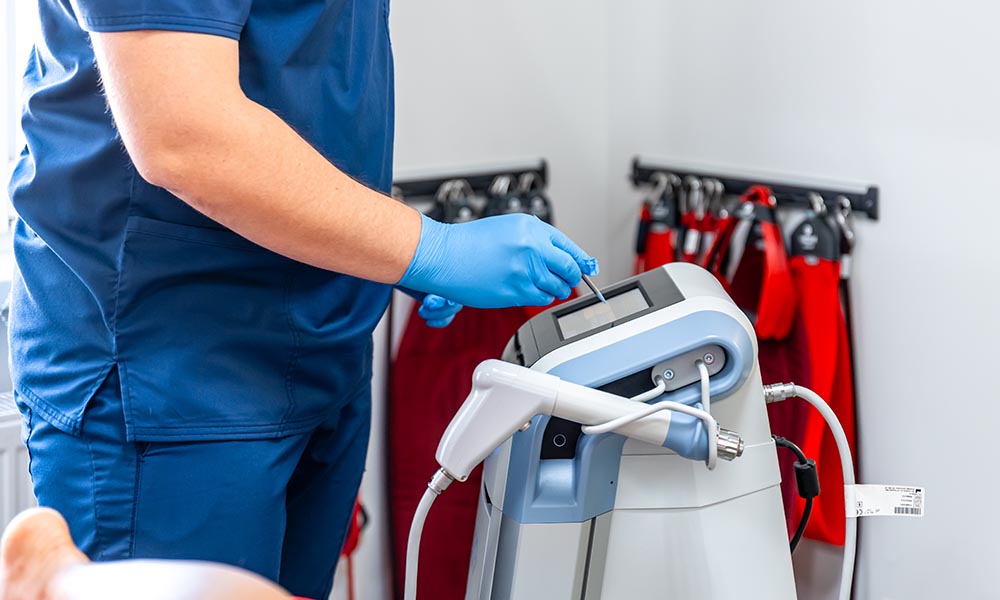
Shockwave therapy, also known as low-intensity extracorporeal shockwave therapy (LI-ESWT), uses acoustic waves to stimulate blood vessel growth and tissue repair in the penis. You lie back in a comfortable position while a clinician applies a handheld device to targeted areas. Sessions usually last 15 to 20 minutes, with minimal discomfort.
How shockwaves target ED
The acoustic waves trigger microtrauma in penile tissue, which boosts new blood vessel formation (angiogenesis). Better circulation often leads to firmer, longer-lasting erections. Unlike pills that relax muscles, shockwave therapy works on the root cause by improving vascular health.
Exploring benefits for ED
Here are some key advantages you can expect:
- Improved blood flow and tissue regeneration
- Non-invasive approach with no anesthesia needed
- Minimal side effects and quick recovery
- Potential long-term gains after a series of sessions
- Suitable for men who prefer alternatives to pills or injections
In clinical trials, around 60 to 70% of participants reported significant erection improvement after completing LI-ESWT. Results may vary, but many men notice changes within a few weeks.
Assessing potential risks
Shockwave therapy is generally safe, but you should consider:
- Mild discomfort or tingling during treatment
- Temporary bruising or skin redness
- Rare reports of penile pain after a session
While these side effects tend to resolve in a day or two, it’s smart to discuss any concerns with your provider. If you’re weighing hormone-based options, remember that testosterone therapy risks can include cardiovascular events and polycythemia, so it’s worth exploring non-hormonal approaches first. You can read more about common testosterone therapy side effects.
Comparing treatment options
Here’s how shockwave therapy stacks up against other ED solutions:
| Feature | Shockwave therapy | Testosterone therapy | PDE5 inhibitors |
|---|---|---|---|
| Approach | Non-invasive, vascular repair | Hormonal replacement | Pharmacological muscle relaxation |
| Onset of results | Weeks to months | Days to weeks | Within 30–60 minutes |
| Duration of benefit | Potentially long term | Depends on continued use | 4–6 hours per dose |
| Side effects | Mild, temporary discomfort | Risk of cardiovascular events, polycythemia | Headache, flushing, nasal congestion |
| Ideal candidate | Vascular-related ED | Low testosterone levels | Intermittent ED management |
For a deeper dive into hormonal options, check out our testosterone therapy pros and cons guide.
Preparing for your session
To get ready for shockwave therapy:
- Schedule a consultation with a qualified clinician
- Review your medical history and current medications
- Avoid blood-thinning supplements 3 days before treatment
- Arrive well-hydrated and in comfortable clothing
After each session you can return to work or daily activities right away. Follow any post-care instructions to maximize results.
Key takeaways and next steps
Shockwave therapy offers a promising, non-invasive way to address erectile dysfunction by improving blood flow and tissue health. Side effects are minimal compared to hormonal or pharmaceutical options. If you’re looking for an ED treatment that targets the underlying vascular issues, this may be a solid choice. Ready to learn more?
Book a consultation today with our team.
Frequently asked questions
How many shockwave therapy sessions do I need?
Most men benefit from 6 to 12 sessions spread over a few weeks. Your provider will tailor the plan based on your response.
Is shockwave therapy painful?
You may feel light tapping or tingling, but most describe the treatment as tolerable without anesthesia.
When will I see results?
Some men notice improved erections within 2 to 4 weeks. Full benefits often appear after the complete course of sessions.
Can I combine shockwave with medications?
Yes, many men use shockwave therapy alongside PDE5 inhibitors or lifestyle changes. Discuss any combination plan with your clinician.
Are results permanent?
Shockwave therapy can offer lasting improvements for many men, but maintenance sessions may be recommended to sustain peak performance.