

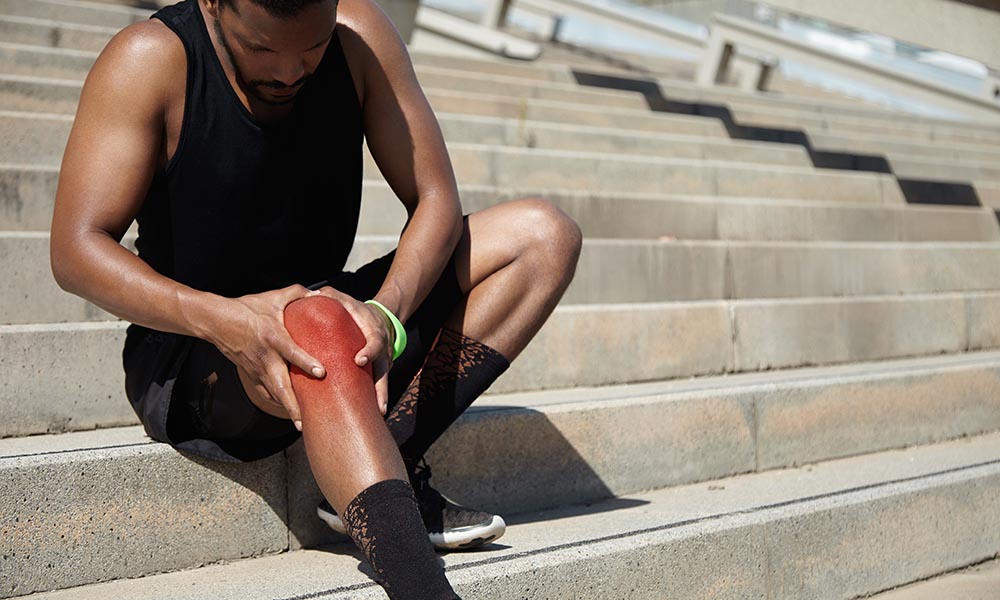
Ever wish your body could hit fast-forward on healing? PRP therapy taps your own blood to supercharge repair for tendon, ligament, or muscle injuries. In this guide you’ll learn what happens during a PRP session, how to prep and recover, and even how adding targeted men’s sexual health exercises can support pelvic muscle strength if your injury affects that area.
Understand PRP therapy
Platelet-rich plasma (PRP) therapy uses a sample of your blood that’s spun down in a centrifuge. This separates the plasma, rich in growth factors, from the rest of your blood cells. When injected into an injury site, these growth factors signal your body to ramp up tissue repair and new cell growth.
How PRP speeds healing
Growth factors in PRP do several jobs:
- They attract stem cells and other healing cells to the injured area
- They encourage new blood vessel formation for better oxygen and nutrient delivery
- They promote collagen production, which strengthens repaired tissue\
This boost in biology can cut inflammation and shrink the time you spend sidelined.
Prepare for your session
Getting ready for PRP is simple, but a few steps can help you get the most out of treatment:
- Avoid anti-inflammatory drugs (like ibuprofen) 3 days before your appointment
- Stay well hydrated so your blood draws easily
- Discuss any blood disorders or medications with your provider
- Eat a balanced meal before you arrive to keep your energy stable
What to expect
During a PRP appointment you’ll:
- Provide a small blood sample
- Wait 10–15 minutes as a technician processes your platelets
- Receive a targeted injection guided by ultrasound if needed
- Rest briefly before heading home\
Most people describe the discomfort as a quick pinch, followed by mild soreness.
Enhance your recovery
Pairing PRP with smart post-treatment habits speeds results. Try these strategies:
- Rest and elevate the treated area for 24–48 hours
- Apply ice packs in 15-minute intervals to fight swelling
- Focus on protein-rich foods to fuel cell repair
- Sip plenty of water to flush out waste products
- Men’s sexual health exercises, such as Kegel drills, can support pelvic floor strength if your injury involves that region – check our tips on maintaining sexual health
Manage risks and side effects
PRP is generally safe, since it uses your own blood. Rare side effects include:
- Temporary swelling or bruising at the injection site
- Mild discomfort for 1–2 days
- Infection risk is minimal when proper sterilization is used\
If you notice fever, severe pain, or redness that worsens after 48 hours, contact your provider.
To see all the ways PRP can boost your healing journey, check out our prp therapy benefits or schedule a consultation today.
Let us help you get back to doing what you love.
FAQs
How soon will I notice improvements after PRP therapy?\
Most people feel a gradual improvement in pain and function within 4 to 6 weeks, with continued gains up to 6 months.
Is PRP therapy safe for all ages?\
Generally yes, adults of any age can benefit. Your provider will assess health conditions before recommending treatment.
Can I combine PRP with physical therapy?\
Absolutely. Light exercise routines guided by a physical therapist can complement PRP and strengthen injured tissues.
How many PRP sessions will I need?\
Many patients see results after a single session, but some require 2 to 3 treatments spaced 4 to 6 weeks apart.
Are there any reasons I shouldn’t get PRP?\
Active infection, certain blood disorders, or use of blood thinners may rule out PRP. Always discuss your medical history with your provider.