

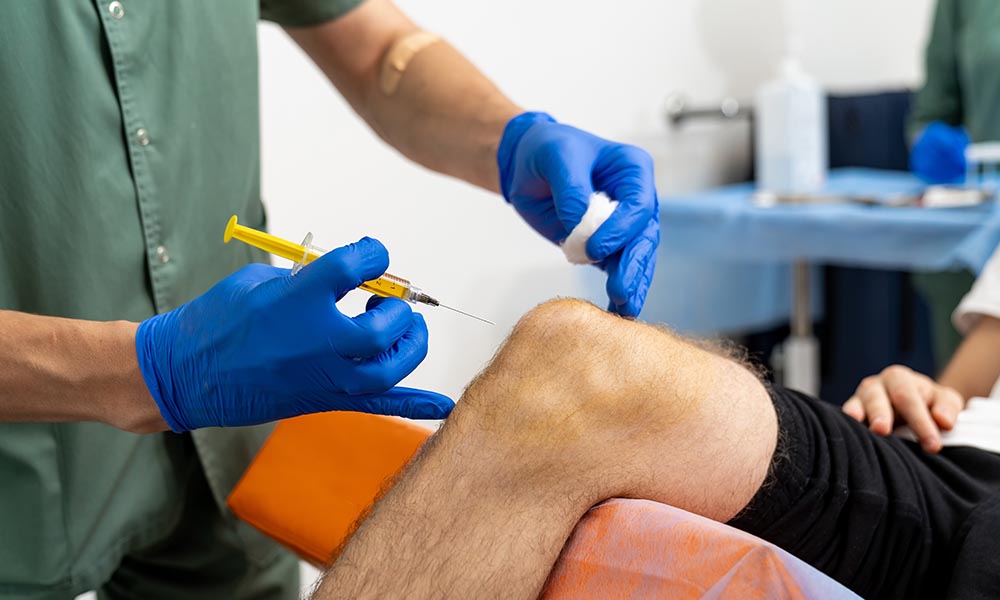
Are you sidelined by a lingering sprain or tendon pain?
You may have tried rest, ice, or physical therapy. While exploring natural remedies for hormonal balance or other holistic options, it can be helpful to learn about platelet-rich plasma (PRP) therapy. Below, you’ll find what PRP therapy is, how it works, and what to expect during recovery.
Understanding PRP Therapy
PRP therapy uses a sample of your own blood to create a concentrated blend of platelets that are rich in growth factors. These growth factors support tissue healing without introducing foreign substances. This non-surgical approach has been widely used in sports medicine to promote recovery of tendons, ligaments, and muscles.
Mechanism of PRP Therapy
Your provider draws a small blood sample, similar to a routine test. That sample is spun in a centrifuge to separate platelets from other components.
The final product is a plasma concentrate rich in growth factors. When injected into the injured tissue, the platelets remain active for several days, releasing biological signals that:
-
Attract stem cells
-
Boost collagen production
-
Improve blood vessel formation
Benefits of PRP Therapy
PRP therapy offers several advantages over traditional treatments:
-
Accelerates tissue healing and recovery time
-
Reduces pain and inflammation without long-term medication
-
Provides an alternative to steroid injections
-
Minimizes downtime so you can return to activity sooner
-
Uses your own blood, lowering the risk of allergic reactions
-
Supports long-term joint function and mobility
For a deeper explanation, explore our guide on PRP therapy benefits.
Conditions Treated With PRP
Clinicians often use PRP injections for a wide range of sports-related injuries, including:
-
Tendon issues such as tendonitis, tennis elbow, and jumper’s knee
-
Ligament sprains including ACL, MCL, and ankle strains
-
Muscle tears, strains, and soft tissue contusions
-
Early-stage osteoarthritis in joints like the knee or shoulder
-
Chronic soft tissue inflammation and tendon degeneration
If pain persists after standard treatment, discuss PRP therapy candidacy with your care team.
Preparing for PRP Therapy
Before your appointment, follow these steps to optimize your outcome:
-
Complete a medical evaluation and any requested imaging scans
-
Pause blood thinners or anti-inflammatory medications if instructed
-
Eat a light meal and stay hydrated on the day of treatment
-
Avoid NSAIDs for at least three days before the injection
-
Arrange transportation home afterward
Risks and Considerations
While PRP therapy is generally safe, keep these points in mind:
-
Mild discomfort, swelling, or bruising may occur at the injection site
-
Small risk of infection when proper sterile technique is used
-
Insurance may not cover PRP, leading to out-of-pocket expenses
-
Results vary based on injury type, age, and health
-
Some providers combine treatments—explore stem cell therapy benefits for a broader regenerative plan
PRP Therapy: Key Takeaways
PRP therapy uses your own concentrated platelets to enhance healing in injured tendons, ligaments, and muscles. It is a non-surgical option that can reduce pain, speed recovery, and limit medication use. Because not every injury responds the same way, proper screening and clear expectations are essential. Reach out to our team to determine whether PRP aligns with your goals and to create a personalized treatment plan.
Frequently Asked Questions
What does PRP stand for and how does it help?
PRP stands for platelet-rich plasma. Injecting this concentrate delivers growth factors that promote tissue repair and regeneration.
How soon will I feel results after PRP?
Many patients notice improvement within 4–6 weeks, with full benefits typically developing by three months as tissues remodel.
Is PRP therapy painful?
Most people experience mild discomfort during injection and some temporary swelling or bruising. A local anesthetic can make the process more comfortable.
How many PRP sessions are needed?
Some individuals see results after a single session, but providers may recommend two or three treatments spaced several weeks apart.
Can I combine PRP with other therapies?
Yes. Combining PRP with physical therapy or other regenerative treatments can enhance recovery. Discuss options with your provider to create the most effective plan.